

Selected excerpts from “Kamma and the end of Kamma” by Ajahn Sucitto
… with the destruction of craving
comes the destruction of kamma;
with the destruction of kamma
comes the destruction of suffering.
S.46:26 – ‘The Destruction of Craving
Do you ever wonder whether your practice is getting anywhere? Do you sometimes just step back from the fine details and consider: ‘Am I doing the right thing? Am I more at peace with myself? Am I doing enough for other people, or the world in general?’
Good questions. Well, some results of Dhamma practice are immediate: we’re more conscious of what impulses are running through our systems; and we get a sense for what to act upon and what to put aside. We establish and firm up values – ones that can withstand the pressure of busy lives and the biases of the media. And we learn some meditation exercises with which to calm the mind and warm the heart.
But if you just assess how you’re doing in terms of the conditions that arise in the mind, the conclusions aren’t that reliable. Daily life may find you juggling future gains and losses against present variables, or not being in agreement with your colleagues and neighbours. But with practice, you get less fazed by this; you don’t have to internalize and accumulate the world. That internal action can lessen and stop. So, here’s one big test: can you be free from conditions, even whilst in the midst of them?[49] That release comes through insight-fully witnessing that however things are, they will change, and no plan can be utterly reliable; that conditions are always precarious, stress-inducing and unsatisfying; and through realizing that there is no unchanging self who could control, be found in, or get out of, this predicament. Sounds miserable? No, these three characteristics – changeability (anicca), unsatisfactoriness (dukkha) and not-self (anattā) – are keys to liberation. This acknowledgement is not a nihilistic move. It’s a pointer to signs that will motivate the citta to relinquish a basis in the unsatisfactory field of kamma. And that means that, not rooted in that field, the citta can operate within it like an obliging guest, with compassion. This release from the field of kamma is possible because the ‘true home’ of the citta is an ‘unconditioned, unbecome’ that the Buddha referred to as ‘the Deathless’.
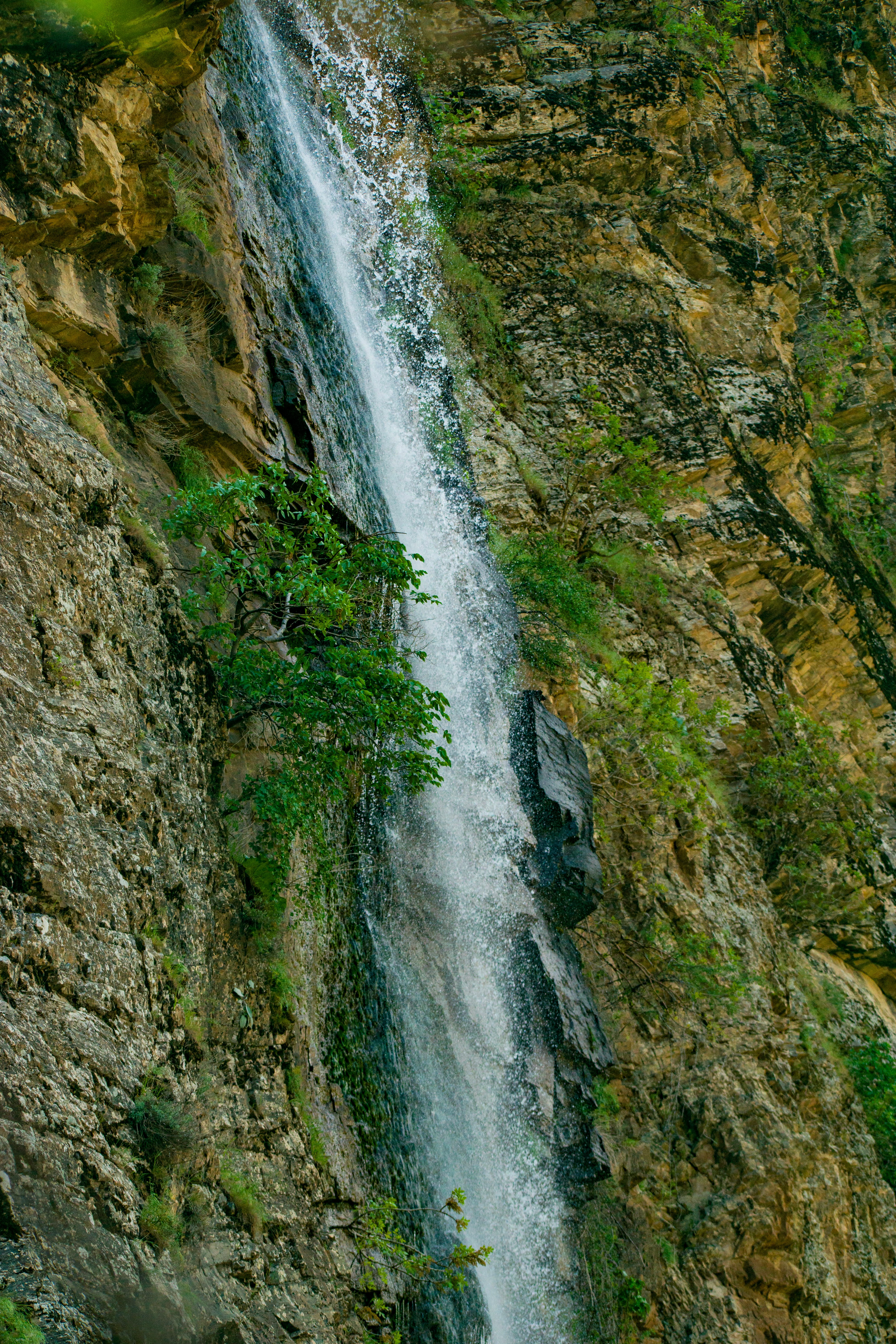
Exit From Samsara: Turning Off the Outflows
The Path to that unconditioned begins with disengagement and dispassion.[50] But bear in mind that the disengagement is not disengagement from the heart, but from actions, or the basis of actions, that one sees as being unskilful or pointless. And the dispassion is towards feelings and their basis that would trigger passion in an untrained mind. You have to know the details for yourself, but the result of that skilful disengagement is greater ease, mental/emotional agility and freedom from burden.
It was from this mode of citta, steadied, settled and directed, that the Buddha reviewed the causal field and experienced three profound realizations. First, there was the witnessing of the field as being more than a matter of personal history; it was a veritable ocean that extended beyond the life-span that he was engaged with. The second realization was that the direction of the currents on that ocean was determined by an ethical undercurrent, or ‘kamma’. This pushed the heart towards bright or dark abiding places dependent on the quality of its intention. But what brought him liberation from all push-and-pull places was the third great realization.[51]
This realization is expressed in terms of terminating the driving currents of that tidal ocean. In so doing, the seeker became ‘Buddha’, the Awakened One. These ‘currents’ are the outflows (āsavā) – the psychological tides that roll out a flow of moods, aims and memories bound to a field of changing sensations, energies and social interactions. It all seems so personal. And in a way it is: at any given moment, that apparent ‘person’ is a snapshot of the outflow and involvement with sensuality (kāmāsava), the nagging search for, or resistance to, feeling based on sense-contact. That ‘person’ gets stressed as he or she acquires the further pressure of the ongoing attempt to get solid, and get established as a discrete identity – this is the outflow of ‘becoming’ (bhavāsava). And what keeps this outflow unexamined and unquestioned is the resultant lack of deep attention. That is, because we’re occupied with, in fact swept along in, the wrong search, the citta is running on automatic. This is summarised as the outflow of ignorance (avijjāsava).[*]
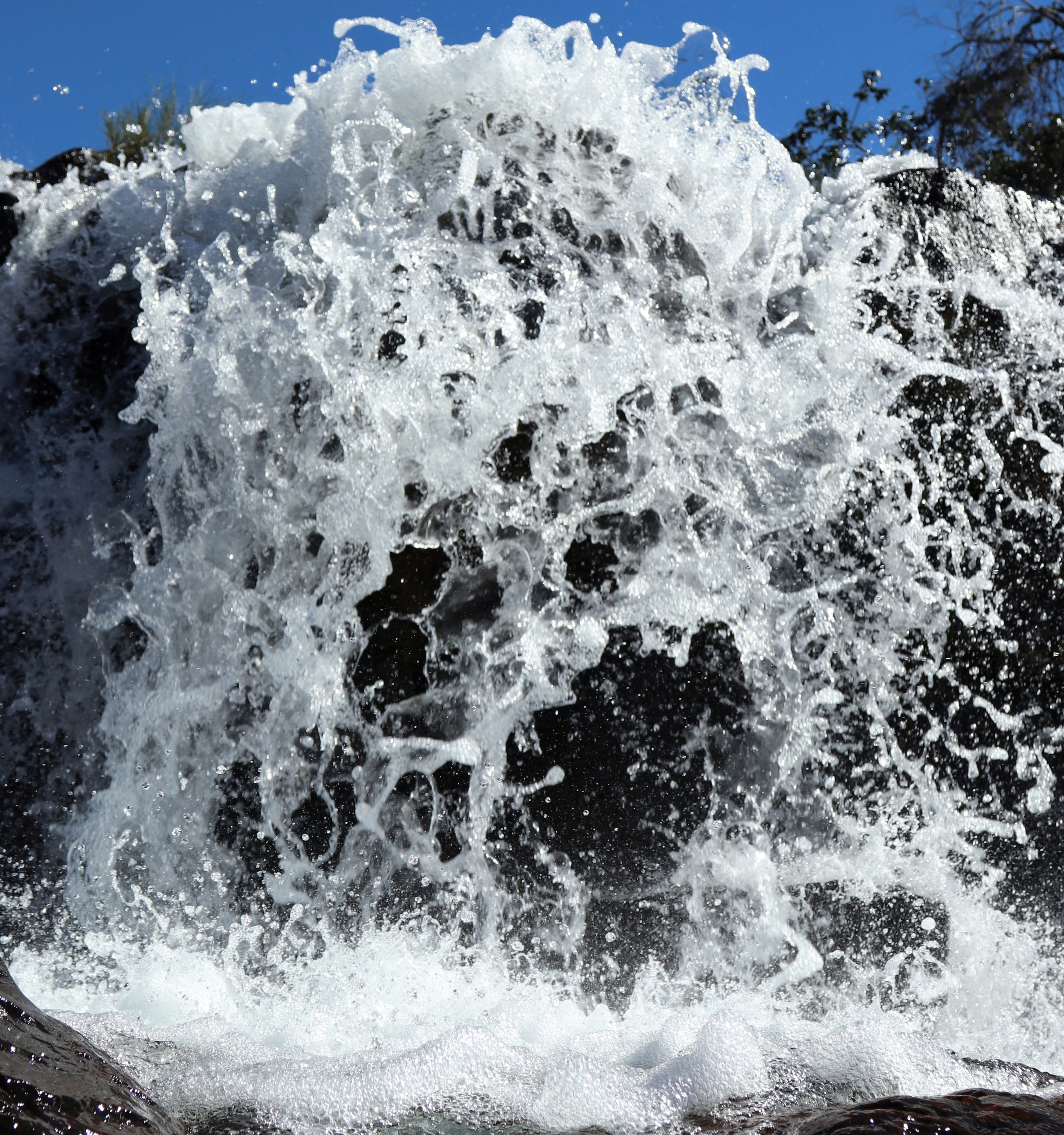
The Buddha had the meditative skills to calm those currents; and he recommended that others develop those skills. He described the bright, refined states that resulted from such development as ‘the best basis for clinging’, while adding that a more significant development is possible: ‘this is the Deathless, the liberation of the mind from all clinging.’[52]
The gist of this is that such states have a refined attention and intention, provide great firmness and offer relief from disagreeable feeling – but these form a basis for liberation, and not a final abiding. With such qualities, the mind can be gathered into imperturbability and see clearly – and it is through directing this clear seeing towards the destruction of the āsavā, rather than through delighting in refined ease, that complete liberation occurs.
Much of this may seem remote. However, as far as the perspective on kamma goes, the point is that aspects of the causal field, namely the identity and the stress that are bound up in it, are a result of outflows that can be switched off. This switching-off is the kamma that liberates: ‘the kamma that leads to the end of kamma is the Noble Eightfold Path.’ (A.6:63)
The Noble Eightfold Path presents that kamma as a Way that covers all aspects of our lives. A simple tip as to where to work on these outflows is to go wide and deep. What moves you along from this to that? Isn’t it the case that much of life is the experience of trying to have an experience that we’re not having? Or trying to not have the experience that we are having? That underlying drive is outflow, its trigger is feeling and its drive is by craving. Therefore, any action – or decisive inaction – that goes against the craving, and any shift by which we see through the ignorance that obscures the failure of craving to give us fulfilment, must be crucial. That shift is away from regarding these outflows as the bases of our identity, and towards dispassionate inquiry. [53]

Continued next week: June 05, 2025
 dhamma footsteps
You must be logged in to post a comment.